
Environment & Planning

RMA Reforms: Consenting under the New RMA

It’s just on two weeks since the new RMA was revealed with the introduction of the Natural and Built Environment Bill (NBA). An early look at consenting regimes under the NBA indicates that while some aspects are similar to the RMA, some aspects are very different. We highlight some of these differences below. Activity status …

RMA Reforms: Consenting under the New RMA Read More »

RMA Reforms: Allocation under the New RMA

The Natural and Built Environment Bill (NBA) heralds the end of a traditional first-in first-served approach to resource allocation, particularly in respect of freshwater. The NBA introduces three resource allocation ‘principles’ – which are sustainability, equity, and efficiency. The National Planning Framework (NPF) can give further detail on the meaning of these principles, and they …

RMA Reforms: Allocation under the New RMA Read More »

Cooling on the use of Fluorinated Gases

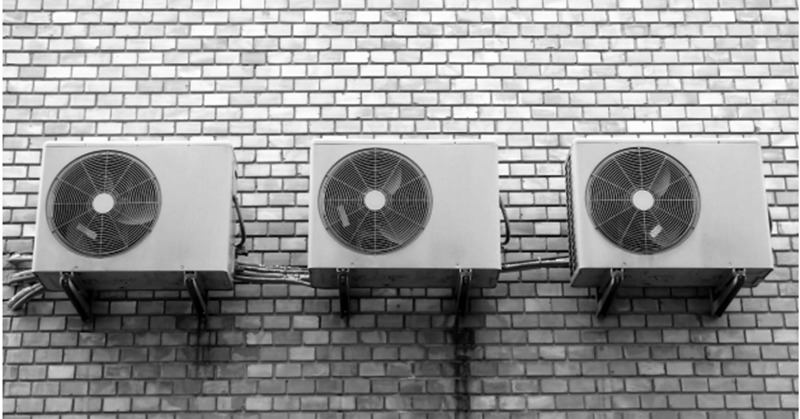
As part of the Government’s goal to reduce fluorinated gases including hydrofluorocarbons, perfluorocarbons and sulphur hexafluoride – the Government is currently consulting on a product stewardship scheme for refrigerants such as heat pumps and refrigerators, and prohibiting the import and sale of equipment pre-charged with fluorinated gases when alternatives are available. Fluorinated gases have a …

Cooling on the use of Fluorinated Gases Read More »

RMA Reforms: First Look at the New RMA

After much anticipation, the Government has now unveiled two of the three new replacements to the Resource Management Act 1991 (RMA)– the Spatial Planning Act (currently the Spatial Planning Bill) (SPA); and – the Natural and Built Environment Act (currently the Natural and Built Environment Bill) (NBA)). The third bill is the Climate Adaptation Act …

RMA Reforms: First Look at the New RMA Read More »

The Water Services Act – what you need to know

The Water Services Act 2021 (“the Act”) has become a key consideration for rural water supply arrangements. The Act is being implemented in a staged manner, and some additional requirements have just come into effect. While its main purpose is focussed on safe drinking water, it also sets out obligations with respect to wastewater and …

The Water Services Act – what you need to know Read More »

Consultation on Pricing Agricultural Greenhouse Gas Emissions

The Government is currently consulting on a new pricing scheme for agricultural emissions. The agricultural sector is currently excluded from the Emissions Trading Scheme (ETS) and contributes to about half of New Zealand’s greenhouse gas emissions. The Primary Sector Climate Action Partnership – He Waka Eke Noa – is a partnership between the Government, Māori …

Consultation on Pricing Agricultural Greenhouse Gas Emissions Read More »

National forestry standards are changing

The Government is seeking feedback on changes to how the National Environmental Standards for Plantation Forestry (NESPF) manage plantation and exotic carbon forests. Under the Emissions Trading Scheme (ETS) the forestry sector can earn (and then sell) carbon credits by planting exotic forests, which absorb carbon dioxide and contribute to meeting emissions reduction targets. This …

National forestry standards are changing Read More »

The Dirt: the New National Policy Statement for Highly Productive Land

The National Policy Statement for Highly Productive Land (NPS-HPL) has come out strongly in favour of protecting productive land and looks set to hold the line on this except in limited circumstances. The NPS-HPL will sit alongside other national policy statements such as the National Policy Statement for Freshwater Management and the National Policy Statement …

The Dirt: the New National Policy Statement for Highly Productive Land Read More »

National Adaptation Plan 2022-2028

New Zealand’s first National Adaptation Plan (the Plan) has now been published. This Plan is required under the Climate Change Response Act 2002 and responds to the risks identified in the National Climate Change Risk Assessment 2020, which included risks relating to indigenous and coastal ecosystems, communities, the economy, and the built environment. At a …

National Adaptation Plan 2022-2028 Read More »

Amendments to the Intensive Winter Grazing Regulations

Further to our note in September 2021 about the proposed changes to the intensive winter grazing (IWG) regulations, these have now been finalised. This article outlines what the amendments to the IWG regulations mean for farmers. As we are in the midst of winter, farmers are altering their farm practices to combat feed shortages that …

Amendments to the Intensive Winter Grazing Regulations Read More »

Scroll to Top