It has been almost two years since the Fast-track Approvals Act 2024 (the FTAA) was passed into law.
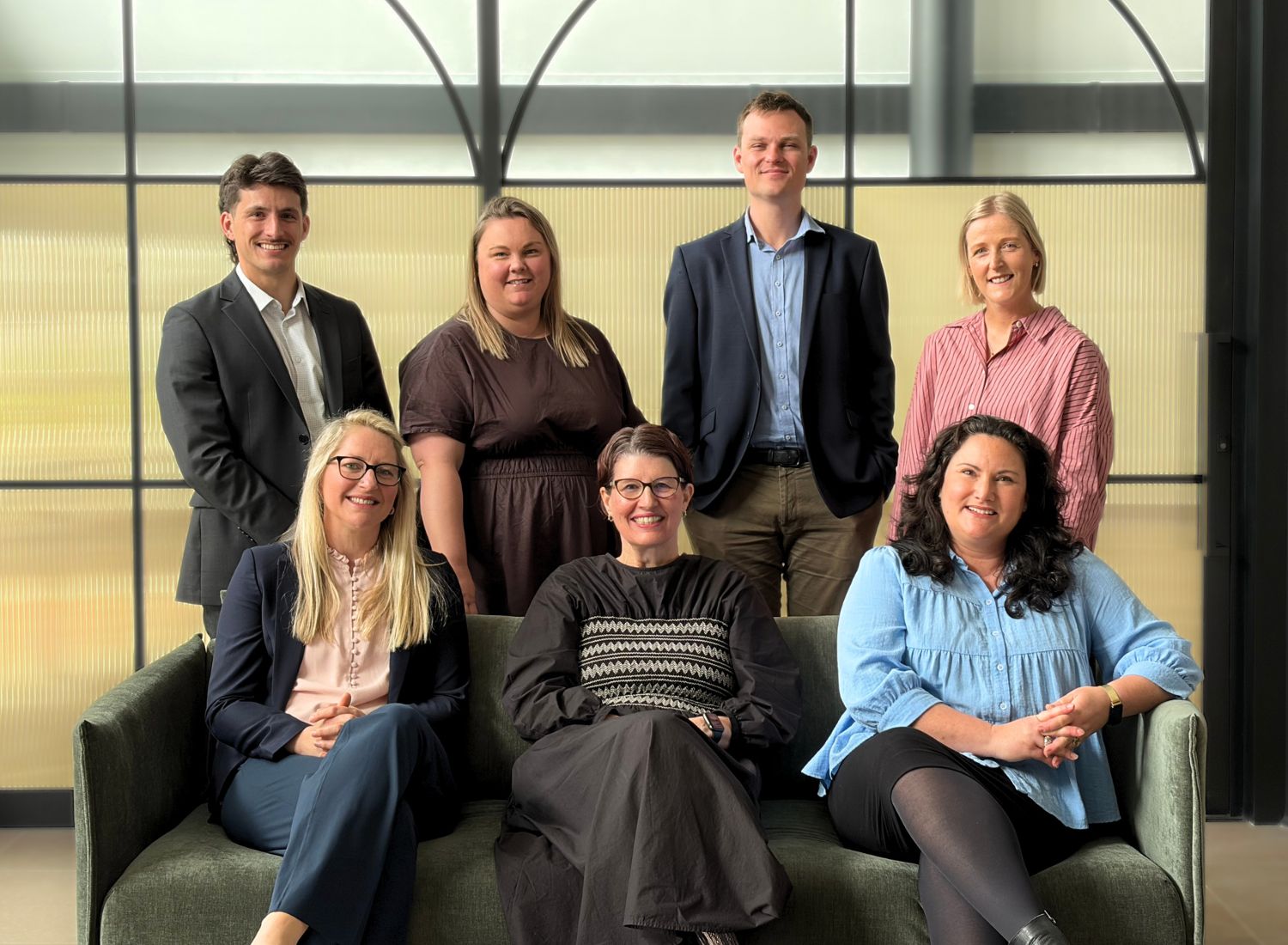
Our team is delighted to have acted for multiple clients who have successfully obtained consents for their projects under the FTAA. Recently, some of our team participated in a panel session which explored lessons learned from fast-track consenting processes to date, and we thought it was a good opportunity to share some reflections with a wider audience.
The FTAA is intended to provide a more streamlined consenting pathway for infrastructure and development projects. But “fast-track” should not be mistaken for “light touch”. Our experience is that the process rewards projects that are supported by a thorough substantive application which includes comprehensive effects assessments and consultation.
We regularly advise on referral applications, which do not require the same level of detail as substantive applications. However, a referral application must contain sufficient information to support the referral decision, including evidence of significant regional or national benefits.
In relation to substantive applications, a few practical lessons stand out.
1. Consultation is crucial
One of the most important lessons is the value of undertaking meaningful consultation well before lodgement.
The compressed nature of the fast-track process means there is considerably less room to work through significant stakeholder issues once the application is before an Expert Panel. We therefore advise clients to identify potentially affected parties, local authorities, infrastructure providers, iwi and hapū, government agencies and other key stakeholders and engage with those parties early.
Consultation should be used to identify issues, test potential solutions and narrow areas of disagreement before lodgement.
2. Front-load the work
The front-loading requirements of fast-track projects are often referred to when discussing the fast-track process. While much of the work required for a fast-track project would also be required for a traditional large-scale consent application, the fast-track regime imposes strict timeframes to respond to comments and further information requests. Consultation undertaken prior to lodgement will often identify issues requiring further assessment by an applicant. Ideally, that assessment will be undertaken before the application is lodged, to make the ‘in-process’ period as smooth as possible.
Consultation will also help to identify issues likely to be raised through the comments process. In anticipation of issues likely to be raised that are not already addressed in the application when lodged, it is helpful to have responses ready on standby where possible. This front-loading requires a significant commitment of time and resources. However, the better the preparation, the lower the chance of unexpected curveballs and scrambling once the statutory clock is ticking.
3. Be ready for an intense post-lodgement period
Perhaps the biggest practical challenge is the intensity of the process once the application is live.
As previously discussed, the scheme imposes short and strict timeframes. The comments period in particular can seem overwhelming for an applicant. It often involves numerous comprehensive comments to digest, the coordination of experts, counsel, and client representatives on the content of those comments, and the preparation of evidence and submissions in response – all within five working days of those comments being received. There is also the potential for late comments to be accepted by the Panel during this time.
That can place considerable pressure on the project team. Planning can assist with this pressure – make sure key advisers and experts know in advance that they may need to respond quickly. It is also helpful to have clear lines of responsibility, agreed document-management procedures and an efficient process for responding to further information requests and comments received.
In conclusion, our advice to applicants is that the best strategy is to invest heavily in preparation: develop the project sufficiently, consult comprehensively, identify and address weaknesses, align the project team, and prepare a robust set of conditions before lodging.
If you have any questions or would like to discuss a fast-track project (referral or substantive) with our specialist Environment and Planning team, please do not hesitate to get in touch.